

For organisers
How an organiser sells the first hundred tickets
A step-by-step launch plan for a small event: the economics before you announce, a quiet pre-sale, the public announcement, working with partners, and what to do when sales stall.

Written for people who go to events and for the people who run them: how tickets, venues and rules actually work — no advertising, no promises.
Articles in this section: 7
A step-by-step launch plan for a small event: the economics before you announce, a quiet pre-sale, the public announcement, working with partners, and what to do when sales stall.

Cancellation, postponement and a change of line-up are three different situations with different rights. Who to write to, in what order, what to look for in the offer, and what to do if the organiser goes quiet.

Choosing a seat at the Palace of the Republic, the opera house and a sports arena: the two-thirds rule, what a balcony does for you, the trouble with the front row, and how to read a seating plan.

A working weekend route through Almaty: where the concerts happen, which theatres are worth the evening, where to go in daylight with children, and what traffic, weather and altitude do to your plans.
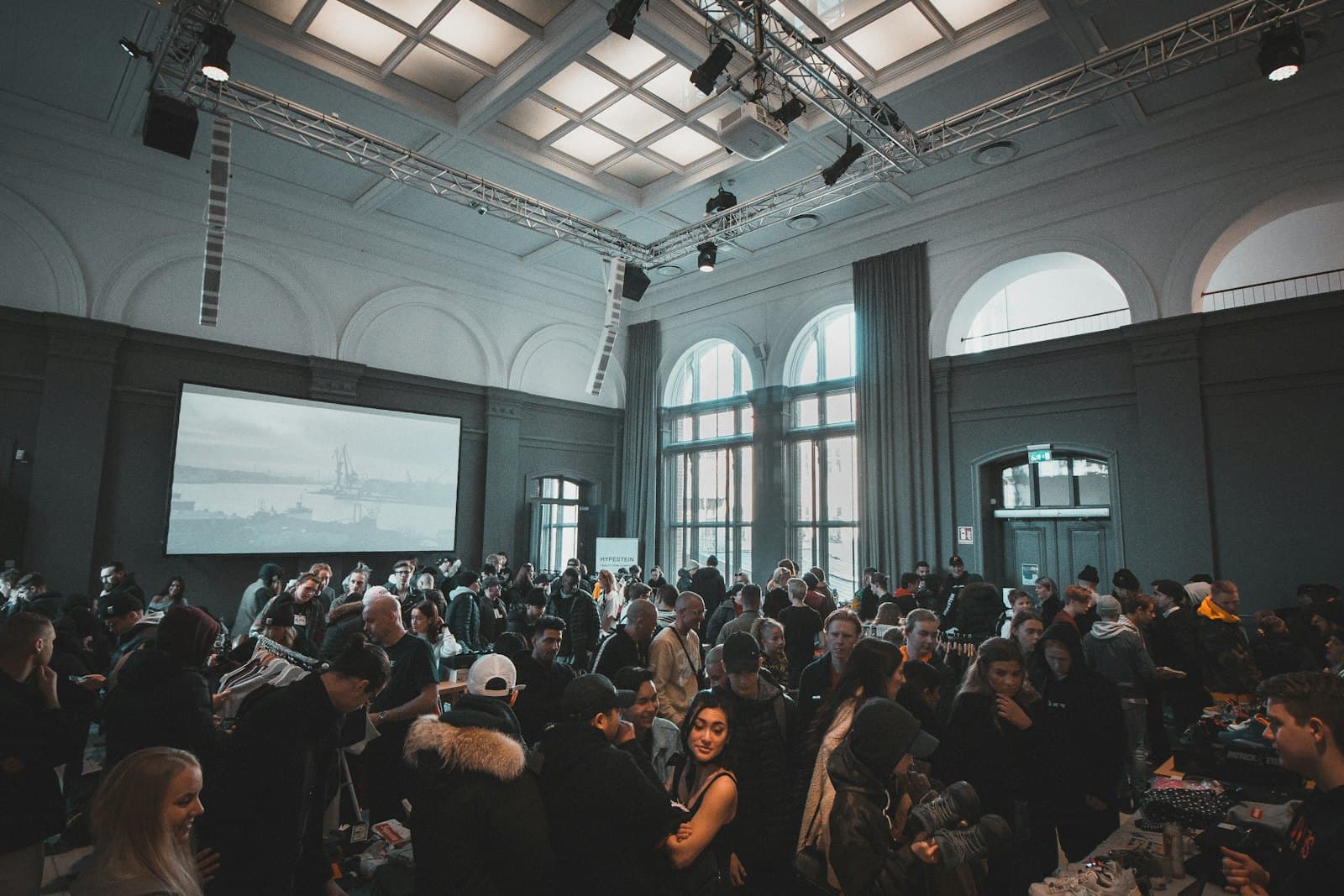
What happens in the two seconds at the turnstile: signature, status, redemption. Why a forwarded image carries no right of entry, and how to clear the door fast even when the venue has no signal.

No wallets, no seed phrases, no token price. What actually happens when you buy an NFT ticket, what it gives the audience and the organiser, and the questions people ask most.

Fake-ticket schemes in Kazakhstan repeat year after year. Here is how they work technically, what to verify before you pay, and why an NFT ticket breaks the mechanism itself.
The reading ends here; the listings start.